“Unfolding – A Creative Process Trail” by Susana Cereja
20.10.2021 ------> 22.01.2022
Fingertips
My hands move through weaves and waves as a sculpting force, leaving wool, cast, plaster, paper, and tissue as I imagined they would be. There is no mix and match without that specific force that hands possess. From caressing to controlling. From curve to straight line. From clear to complex. Fingertips. Part technique, part magic, part try‑out. Because there is nothing more powerful than touch.
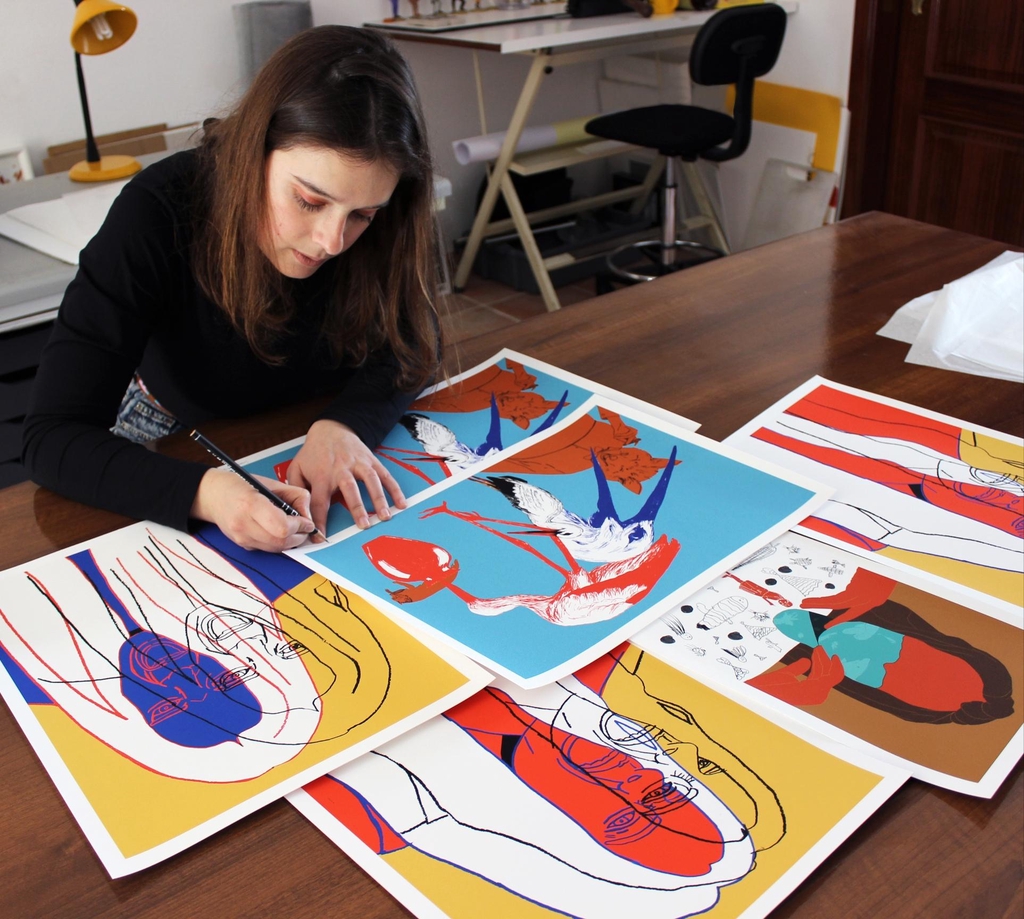
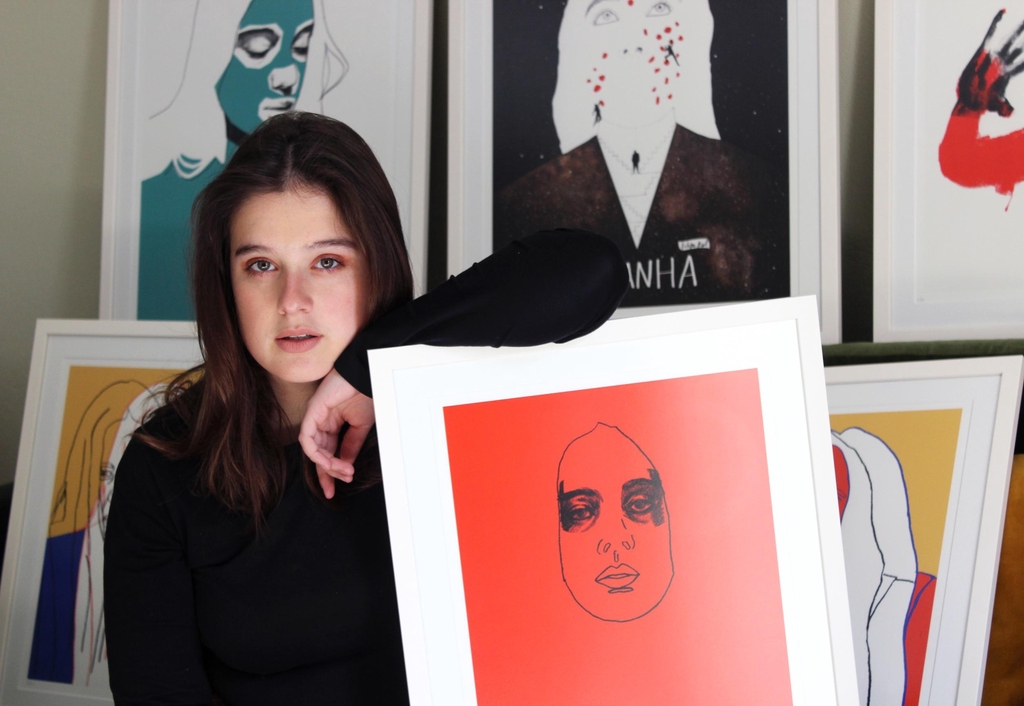
Susana Cereja’s path begins in architecture, although she has been drawing and painting for as long as she can remember. From 2011 to 2016, she studied Architecture and, simultaneously, Illustration and Drawing at the Faculty of Fine Arts, beginning to work as an architect in the studio of the artist Joana Vasconcelos. She also studied printmaking in Barcelona, Arraiolos tapestry in Lisbon and in the town of Arraiolos, and Drawing at Ar.Co – Centre for Art and Visual Communication.
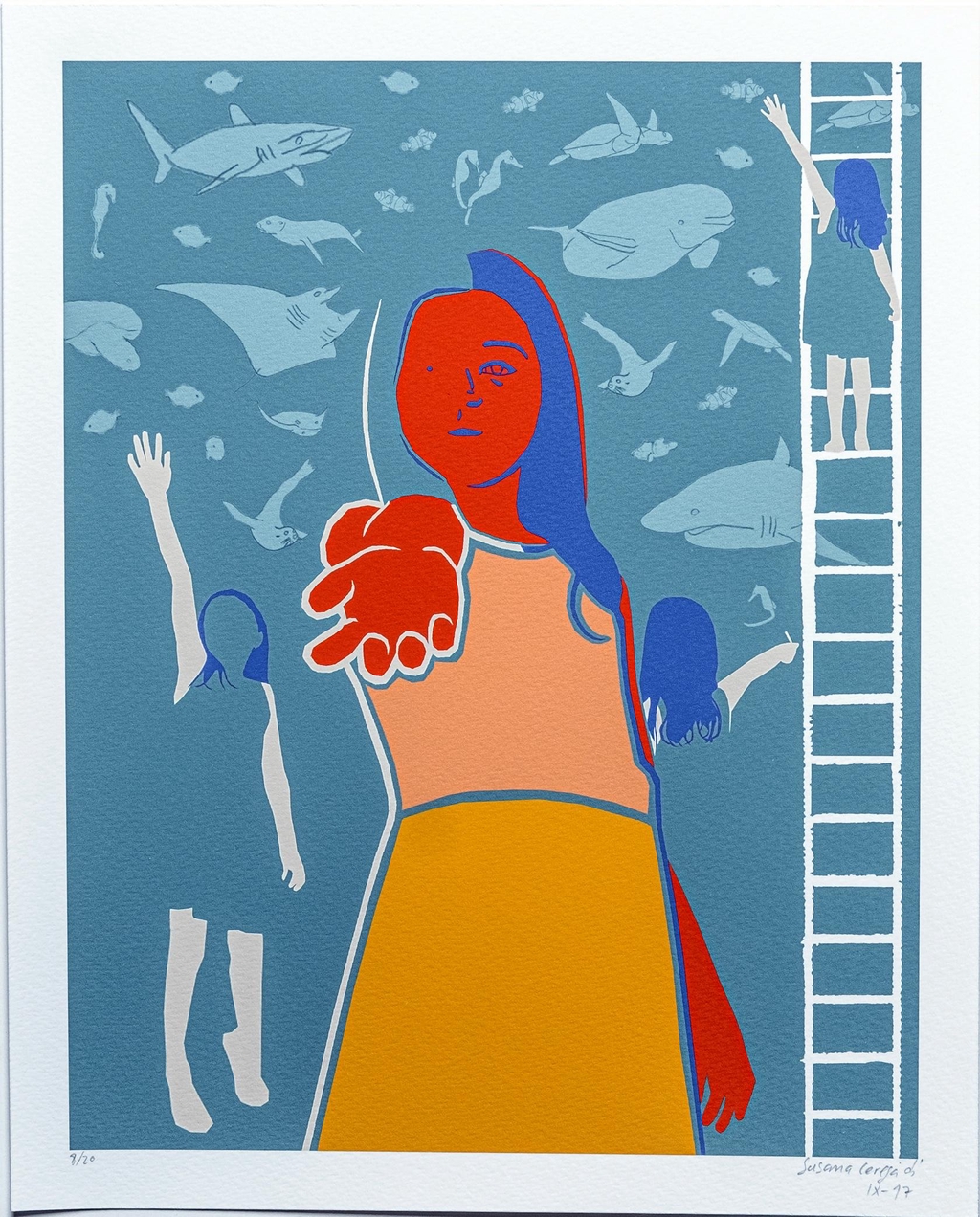
Her artistic project became public in 2017, when she began sharing it on social media and on her website, presenting it through three main techniques: printmaking, Arraiolos tapestry, and plaster/ceramics.
Her artistic references are varied: in drawing, Pablo Picasso and Paula Rego; in the use of colour, Henri Matisse and David Hockney; in printmaking, Nancy Spero; in tapestry, Anni Albers. Highlights include the group exhibition at Delphian Gallery in London and the solo exhibition Cherriful in the Algarve, both in 2018, as well as her most recent solo exhibition in Lisbon at Galeria For.Ever — Unfolding – A Creative Process Trail — inaugurated in November 2020 and now presented at Galeria Gamarama in Faro. She is also part of the Portugal Manual network, which involves her in diverse projects, such as her participation in London Craft Week.
“Society does not know how to deal with or work through its emotions.” Perhaps because she comes from architecture, Susana Cereja is passionate about the beauty of materials and about removing them, at times, from their original context, reinterpreting them, innovating them, and placing them on a contemporary level.
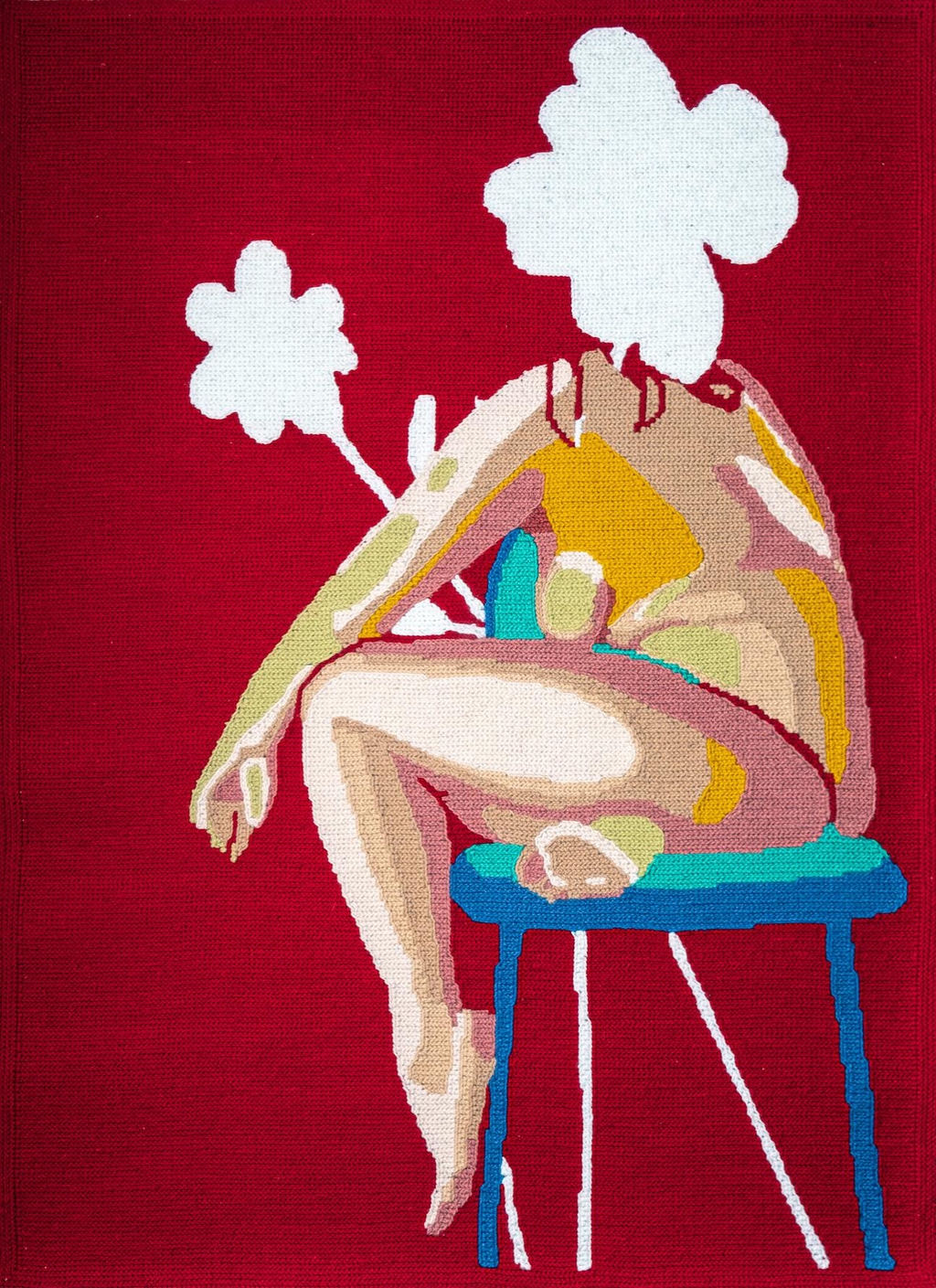
She likes to put her whole soul into her works and to stand out through the message she conveys and the techniques she constantly reinvents — whether through their combination, context, or use — something that happens especially in the Arraiolos tapestry technique.
Her work is “emotion”. Susana Cereja addresses and studies this theme because she states that “we are educated in so many disciplines, except emotionally”. For this reason, the artist likes to speak about the deepest emotions and anxieties of the human being. The theme “Woman” is also very present in her work, once again through emotion and the breaking of paradigms.
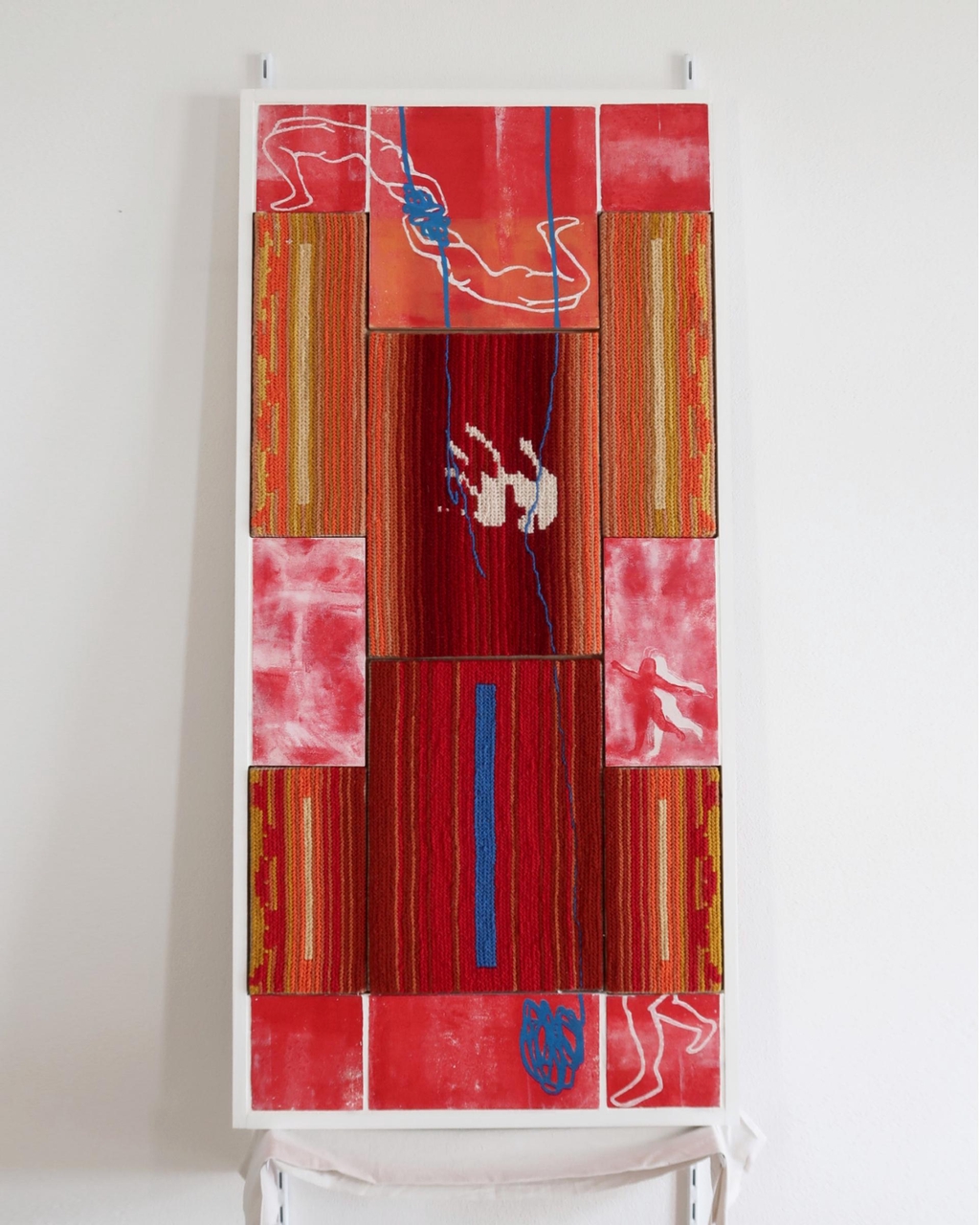
The artist is at the height of her exploration of material and ideas, not only through the creation of a new collection of tapestries, but also through the combination of the three techniques that fascinate her most and which she deepens daily: printmaking, tapestry, and plaster.
The exhibition reflects the multidisciplinary nature of a body of work in which research, diversity, and versatility of media take on a predominant role. Through it, Susana Cereja offers a renewed perspective on the recovery and development of ancestral methods of artistic production.
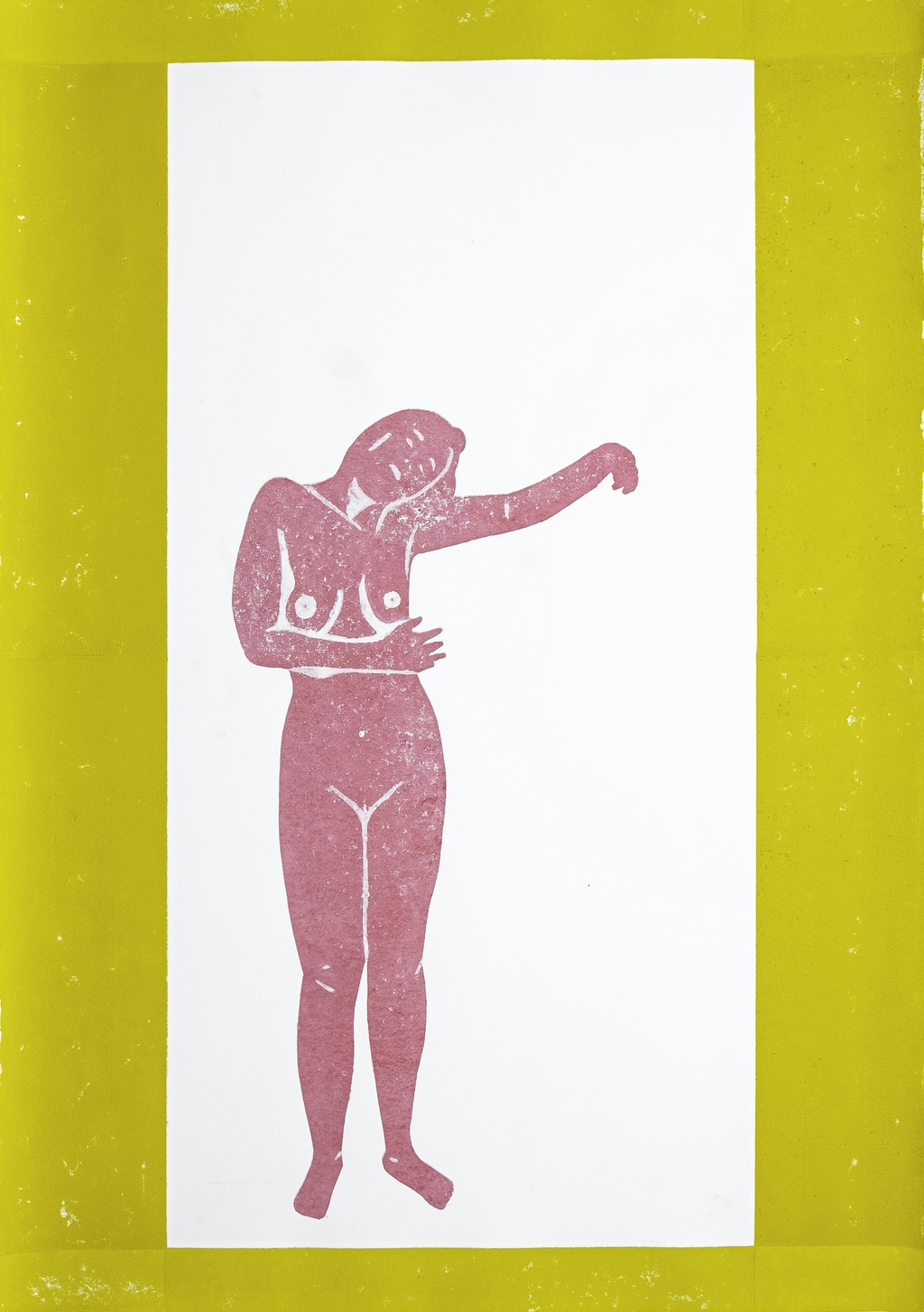
Woodcut, polychrome plaster, and the Arraiolos stitch (a technique used in tapestry production) are some of the methods she brings back into the field of contemporary art, restoring the place of excellence they once held in Portuguese culture.
Unfolding is the testimony of a heterogeneous and unfolding creative process that the artist has been developing from 2017 to the present. Through the 30 works that compose it, we traverse, piece by piece, the different disciplines and techniques the artist has invoked year after year, until we reach, at the end of the exhibition, Headway, which, in its composite complexity, assumes the place and condition of an epilogue.